

Sleep Therapy

What is PAP Therapy?

PAP therapy, or positive airway pressure therapy, is a general term that health professionals apply to all sleep apnea treatments that provide patients with a stream of compressed air while they sleep to support their airway. The patient wears a mask while sleeping with PAP therapy. The device then blows pressurized air from the room into the patient’s upper airway through the mask with a connected tube.

How Does PAP Therapy Work?

PAP therapy uses positive airway pressure to help keep the airway open during sleep, reducing interruptions in breathing and supporting more restful sleep. Patients should use their prescribed PAP device every time they sleep, including during naps, to maintain consistent therapy.

PAP therapy offers an effective and generally safe treatment option for many patients. However, certain conditions—including pneumothorax, bullous lung disease, severe nosebleeds, and cerebrospinal fluid leaks—may require special consideration before starting therapy.

What PAP Options are Available to Patients?

There are several different PAP devices on the market, and some are better suited to treat a patient’s sleep apnea symptoms than others. To manage your patient’s sleep apnea or other sleep condition efficiently, selecting the proper treatment is extremely important.
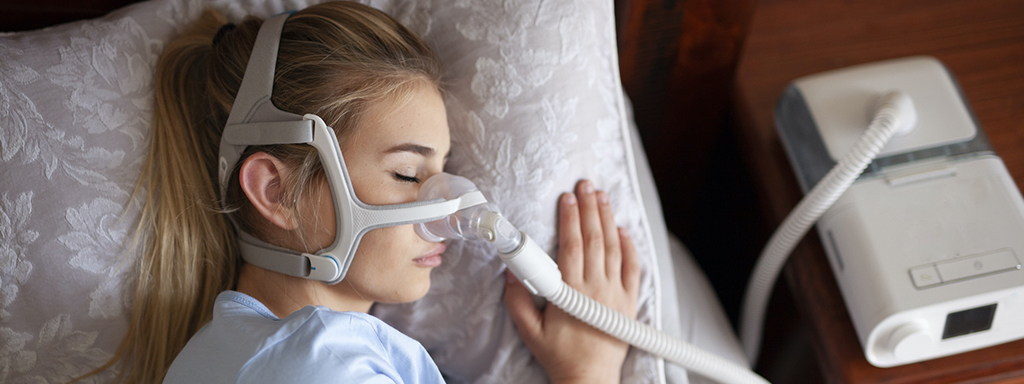
Young woman is in bed with a sleep therapy device on her face and on the nightstand

CPAP

CPAP (continuous positive airway pressure) therapy helps keep the airway open during sleep by delivering a steady flow of air through a comfortable mask. For people with obstructive sleep apnea (OSA), CPAP can help reduce nighttime breathing interruptions and support better-quality sleep. The more severe a patient’s OSA is, the higher pressure is required in order to avoid obstruction during sleep.

CPAP remains one of the most widely used treatments for obstructive sleep apnea (OSA) because it provides consistent airway support throughout the night. For many patients, especially those with mild to moderate OSA, CPAP can help reduce breathing interruptions and promote more restful sleep.

At MSI, we make getting started with CPAP simple. Our team helps patients receive the right equipment, understand how to use it, and stay supported throughout their therapy journey.

Virtual CPAP Setup

With virtual CPAP services, patients can complete setup, receive guidance, and stay connected with their care team remotely. That means fewer unnecessary trips and convenient support when they need it.CPAP (continuous positive airway pressure) is a form of PAP therapy where the machine delivers a steady level of airway pressure determined by the physician through a CPAP mask.

BiPAP™

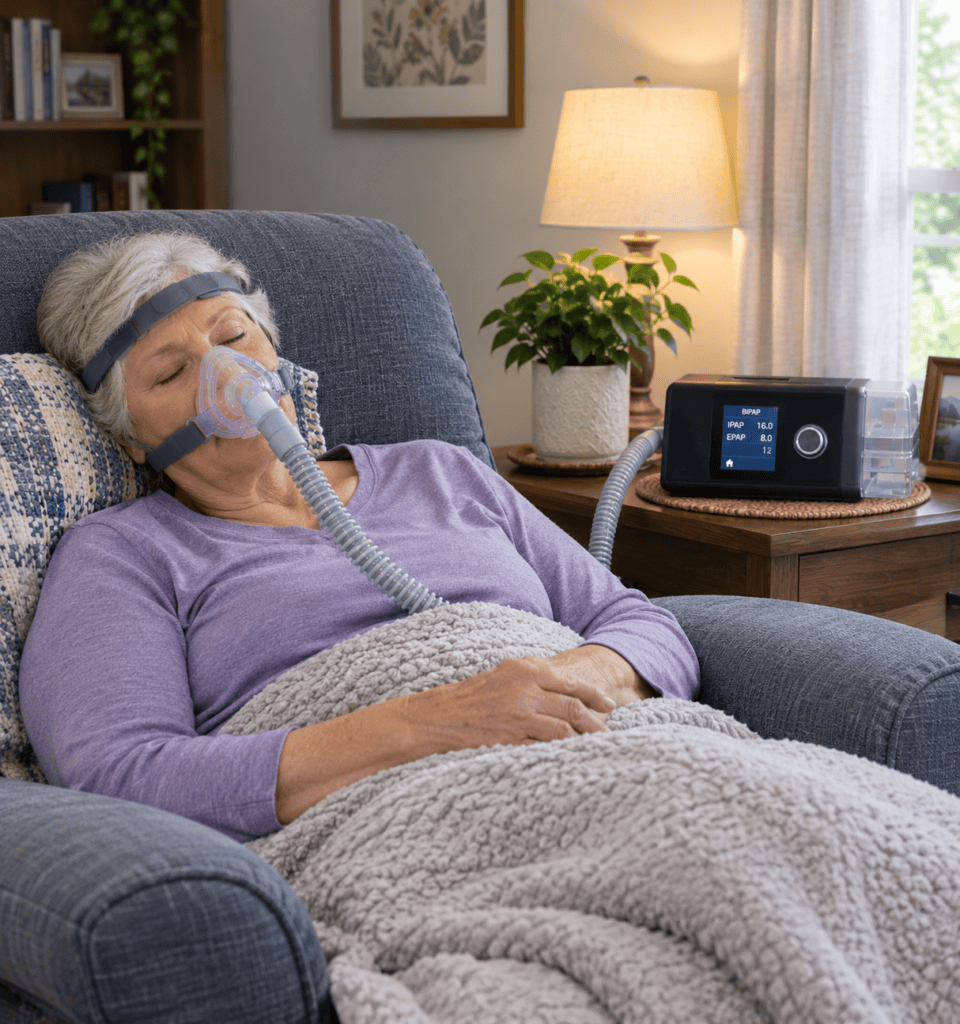
BiPAP™(bilevel positive airway pressure) therapy supports breathing with two different pressure levels: IPAP for inhalation and EPAP for exhalation. This dual-pressure approach adjusts to the patient’s breathing needs, making it easier to inhale and exhale comfortably throughout the night.

BiPAP can benefit patients who need more breathing support than CPAP provides, including some patients with central sleep apnea (CSA). It can offer an alternative for patients who have difficulty tolerating the continuous pressure of CPAP.

At MSI, we make getting started with BiPAP simple. Our team helps patients receive their equipment, understand how to use it, and access the support they need to stay comfortable and consistent with therapy.

Elderly woman sleeps in a large recliner with a sleep therapy mask in use and the device is on a table next to her

Virtual BiPAP Setup

With virtual BiPAP services, patients can complete equipment setup, receive guidance, and stay connected with their care team remotely. BiPAP (bilevel positive airway pressure) uses two levels of air pressure—one for inhalation and a lower level for exhalation—to support breathing and promote greater comfort during therapy.

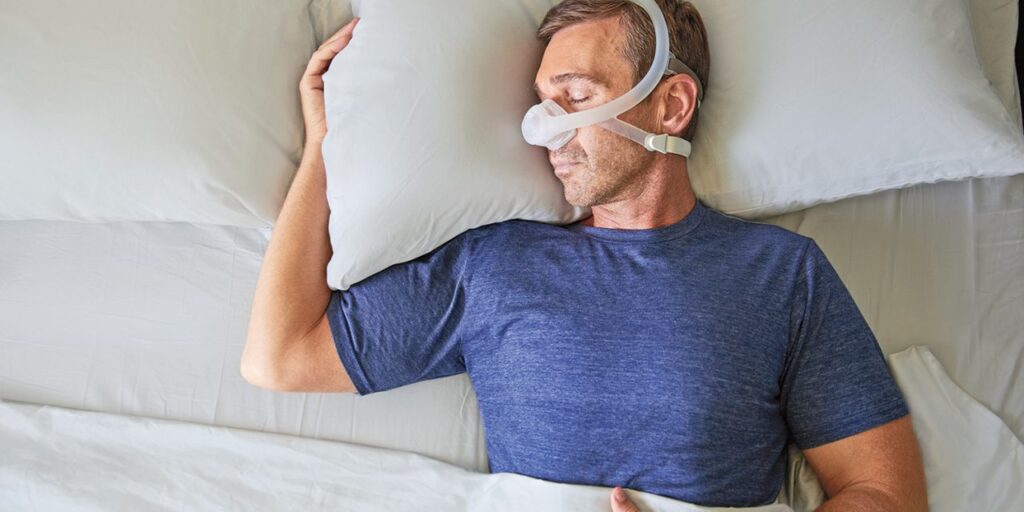
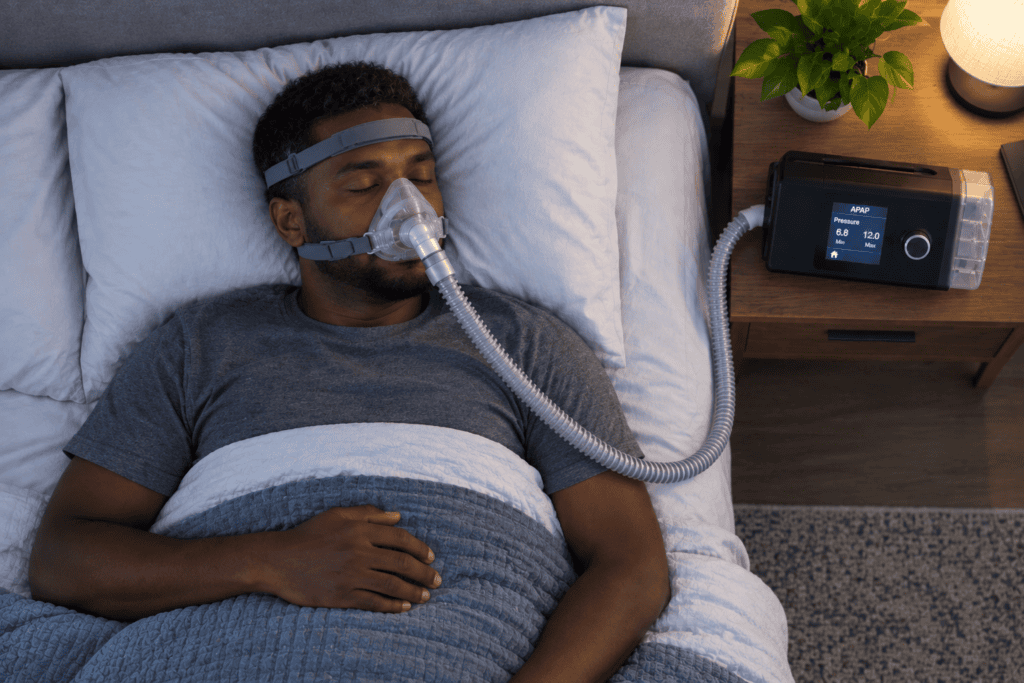
Younger male is in bed using a sleep therapy device

APAP

Automatic Positive Airway Pressure (APAP) therapy is a form of PAP therapy that delivers pressurized air through a mask to help keep the airway open during sleep. Unlike CPAP, which delivers a consistent pressure, APAP automatically adjusts the pressure throughout the night based on the patient’s changing breathing needs.

APAP can respond to changes caused by sleep position, sleep stages, and other factors that affect breathing. This flexibility makes APAP a convenient option for patients who need different levels of airway support throughout the night.

For patients with changing breathing patterns or nighttime congestion, APAP can automatically adjust pressure to help maintain effective therapy. Our team can help patients and providers find the equipment and support that best fit their prescribed therapy need

Streamline Sleep Therapy With MSI

MSI Health Solutions helps HME and respiratory providers simplify sleep therapy with experienced clinicians and end-to-end logistics support. Our RTs and RN/LPNs handle patient setup, education, and follow-up to support therapy compliance and a better patient experience.

From home sleep therapy setup to equipment recovery, MSI manages the logistics so your team can focus on patient care.

Our sleep program helps reduce overhead, improve efficiency, and support resupply opportunities—with experienced clinical and logistics teams ready to support your program nationwide.
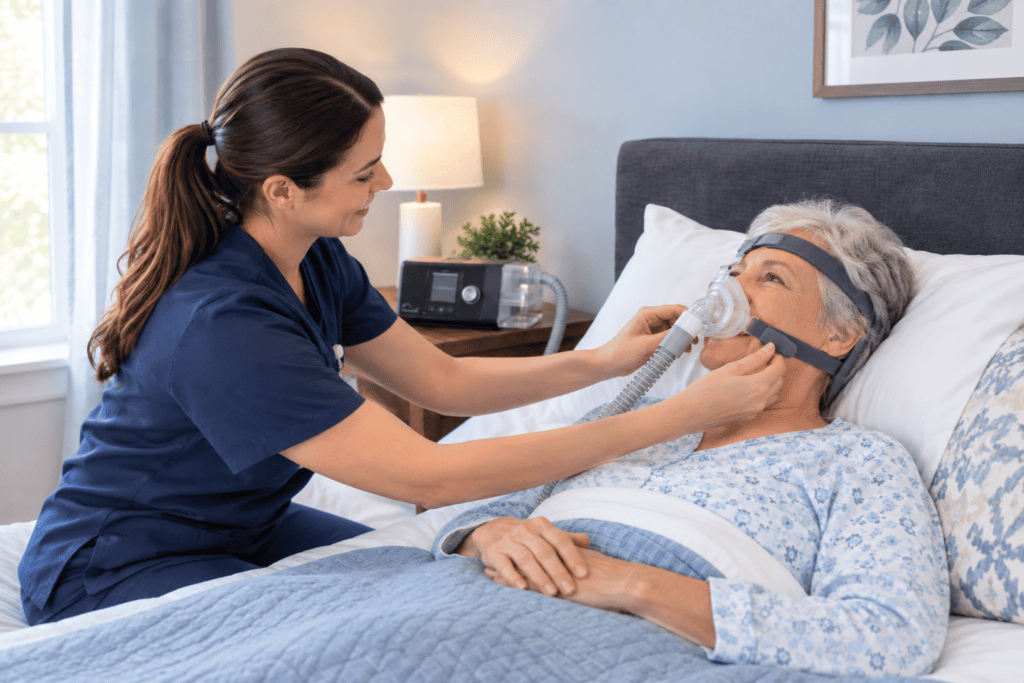
Technician is helping to adjust the Mask for a patient undergoing sleep therapy

Partner with MSI Health Solutions to simplify sleep therapy from setup to recovery

Sleep Apnea patients will be set up by an experienced and approved clinician who will go over the physician order and plan of care, equipment, mask, compliance, and answer any questions the patient may have.

Our clinicians will provide detail insurance requirement compliance need to accomplish optimal resupply.

Sleep Apnea patients can complete their sleep therapy setup virtually with an experienced, approved clinician. During the session, our clinicians review the physician’s order and plan of care, walk patients through their equipment and mask, explain compliance requirements, and answer questions to help them feel confident getting started

Our clinicians also review insurance and therapy requirements, helping patients understand what they need to maintain compliance and qualify for ongoing resupply.

MSI clinicians are knowledgeable, professional, and compliance driven.

The clinician will set up the prescribed mask if DAW or perform a best fit process to assure optimal success. Patient will self-fit interface with Trained Technician coaching, Manufacture fit tips resource material.

Clinicians will work with your patients set up to ensure compliance